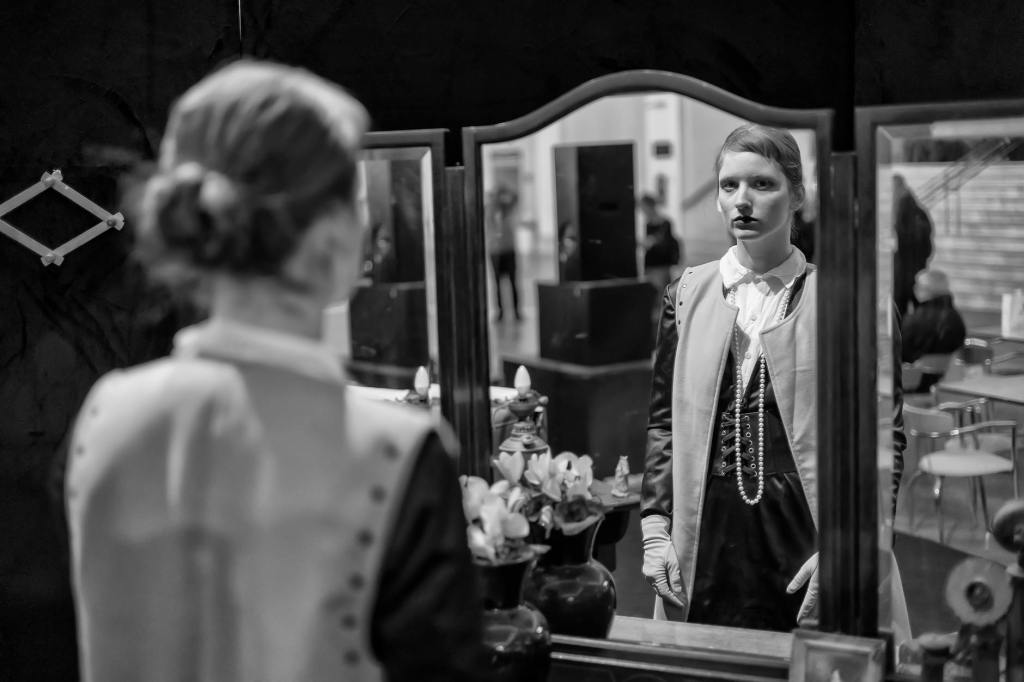
Ever wonder what people are really thinking when they see your outfit? The truth is, your clothes are saying more than you might realize—and people are listening.
I’m Erin Simmons—a holistic style coach, upcycle clothing designer, and personal stylist based in Austin, Texas. I help people build wardrobes that are elevated, sustainable, and deeply personal. I’m endlessly fascinated by the way clothing impacts how we feel and how we’re perceived—and I love helping clients infuse their personality into every look, with intention and authenticity. If you’re ready to align your wardrobe with who you really are—and do it in a way that honors both your identity and the planet—you’re in the right place.
Today we’re diving into the psychology of dress and first impressions. Let’s get into it.
First Impressions: Your Brain Judges Fast
Let’s start with this: our brains are wired to judge quickly. According to research published in the Journal of Psychological Science, we assess someone’s attractiveness, likability, trustworthiness, and even competence—all within 100 milliseconds of seeing them.
That’s less than the blink of an eye.
And what are we judging? Visual cues. Clothing plays a huge part in that. Since sight is our most developed sense, we subconsciously use clothing as a shortcut to understand who someone is—or who we think they are.
Congruence & Authenticity
We assume the outside matches the inside. This is called congruence—when your outward appearance aligns with your internal identity.
Ask yourself:
- What assumptions are your clothes encouraging people to make about you?
- Are they accurate? Empowering? Outdated?
The good news? You have control over the message you send.
Fit & Body Language
Let’s talk about fit. When clothes fit well, they tend to signal confidence, competence, and self-respect.
Wearing something oversized? That might be a stylistic choice—
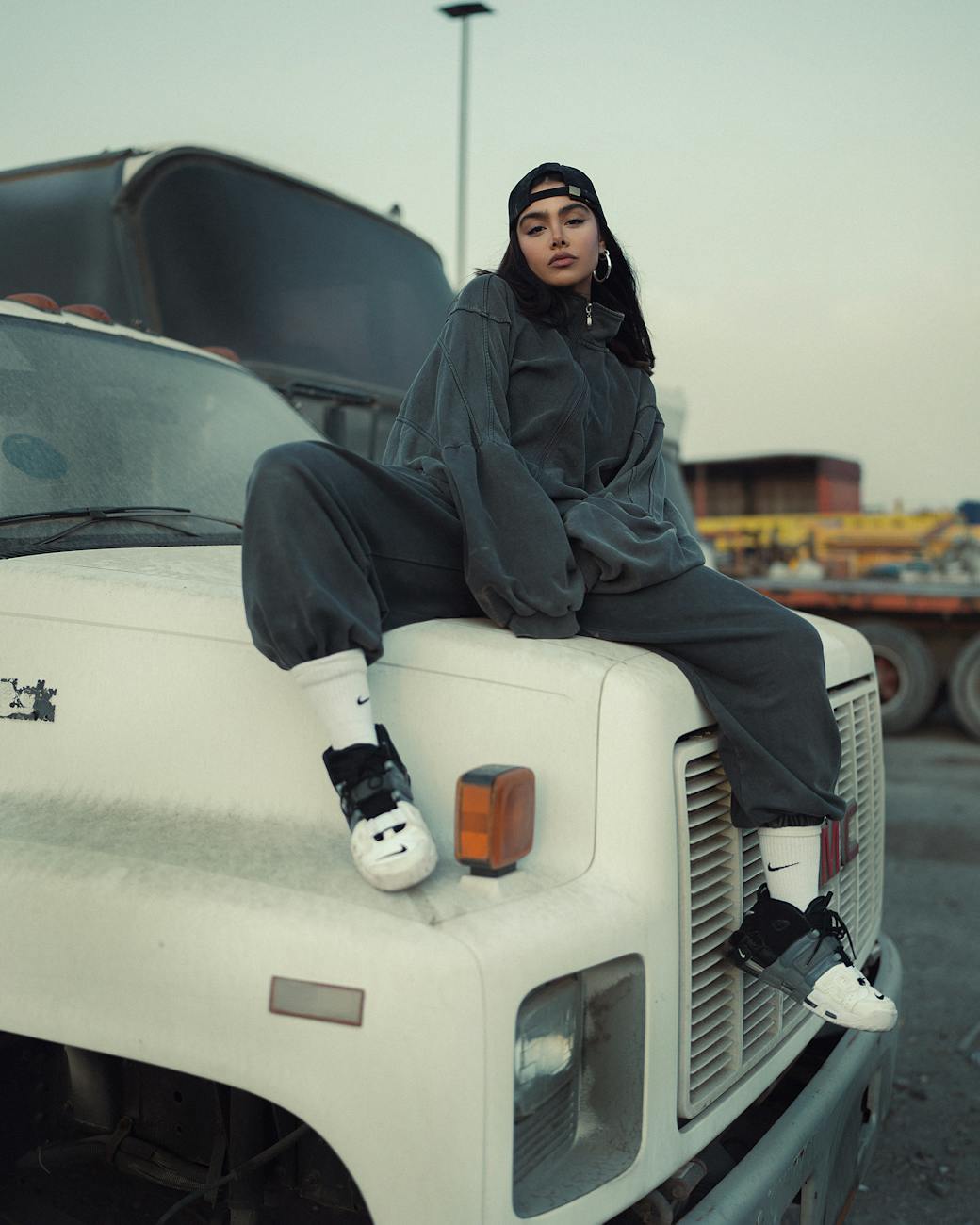
…or it could be a subconscious attempt to shrink or disappear.

On the flip side, fitted or revealing clothing often reads as, “I want to be seen.” That doesn’t mean someone is seeking attention—but culturally, that’s still the assumption many people make, especially toward women.

Being aware of these associations helps you reclaim your choices from unconscious bias.
Cleanliness & Condition
Are your clothes clean, unwrinkled, free of pills or tears?
If not, people may (consciously or not) read that as a lack of confidence or care. Psychologically, worn or messy clothes can signal disorganization, sloppiness, or low energy—even if that’s not true.

It’s not about perfection—it’s about alignment between your intention and your presentation.
Style & Social Messages
Style itself sends signals. Is what you’re wearing trendy? Classic? Outdated?
These choices influence how others perceive your social awareness.
Wearing an obviously outdated style? People might see you as inflexible or out of touch.
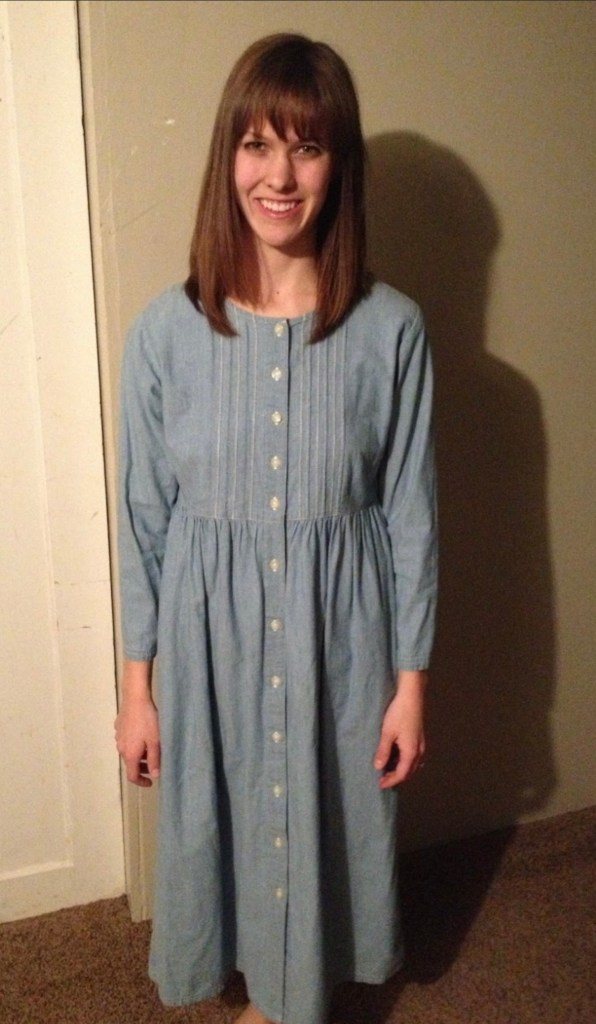
Too trendy? You might come across as image-obsessed or shallow.
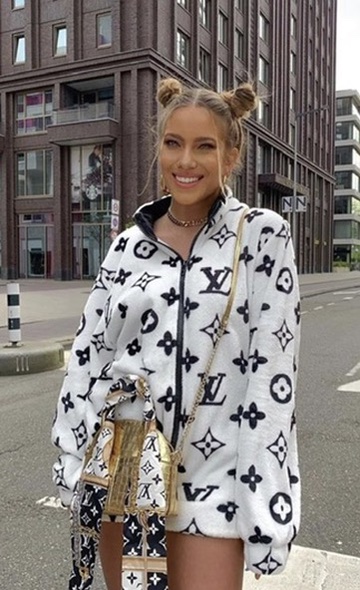
The sweet spot is finding a style that feels current but not performative.
Even bold, artistic fashion can signal high confidence and creativity.
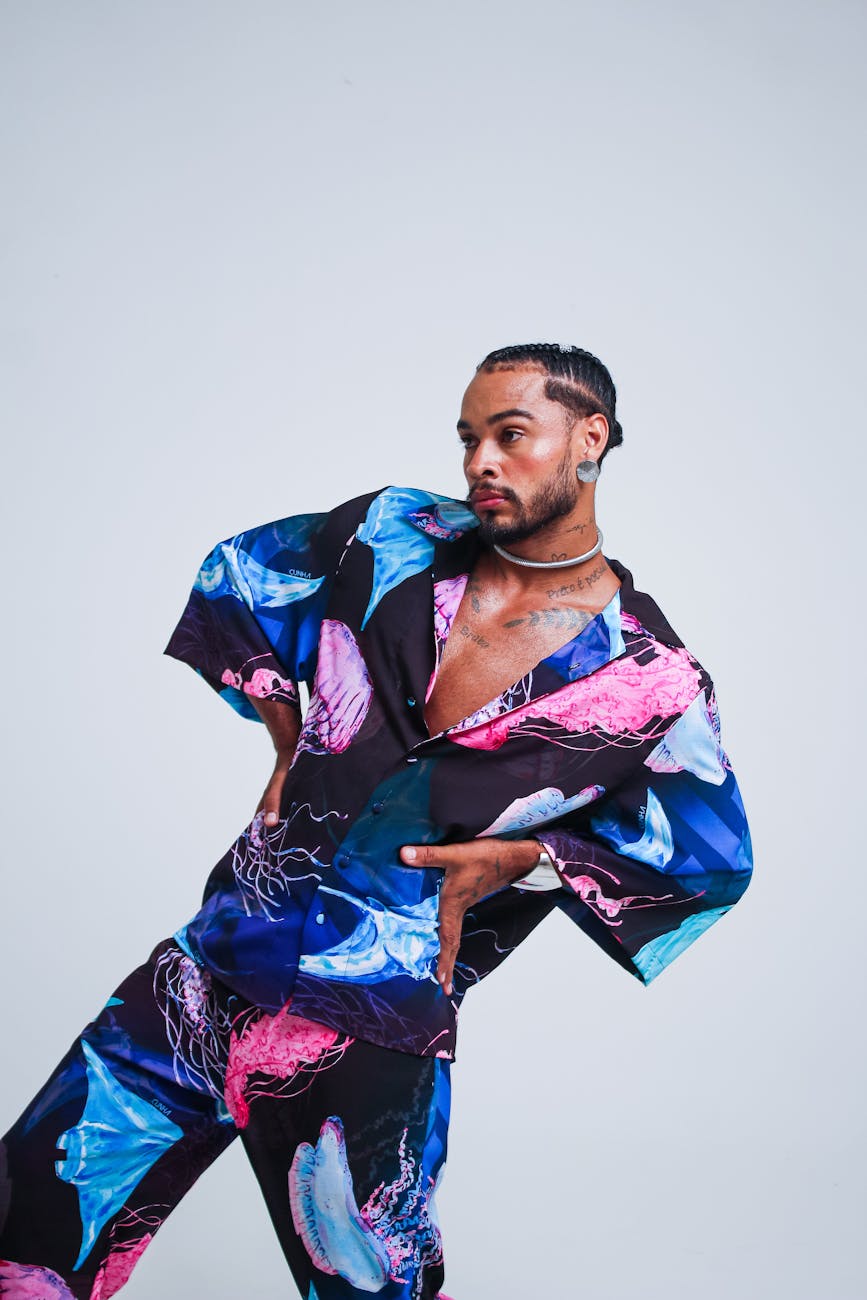
But if it veers into costume territory, it can backfire. Moderation, as always, is key.

The Power of Color
Color is powerful.
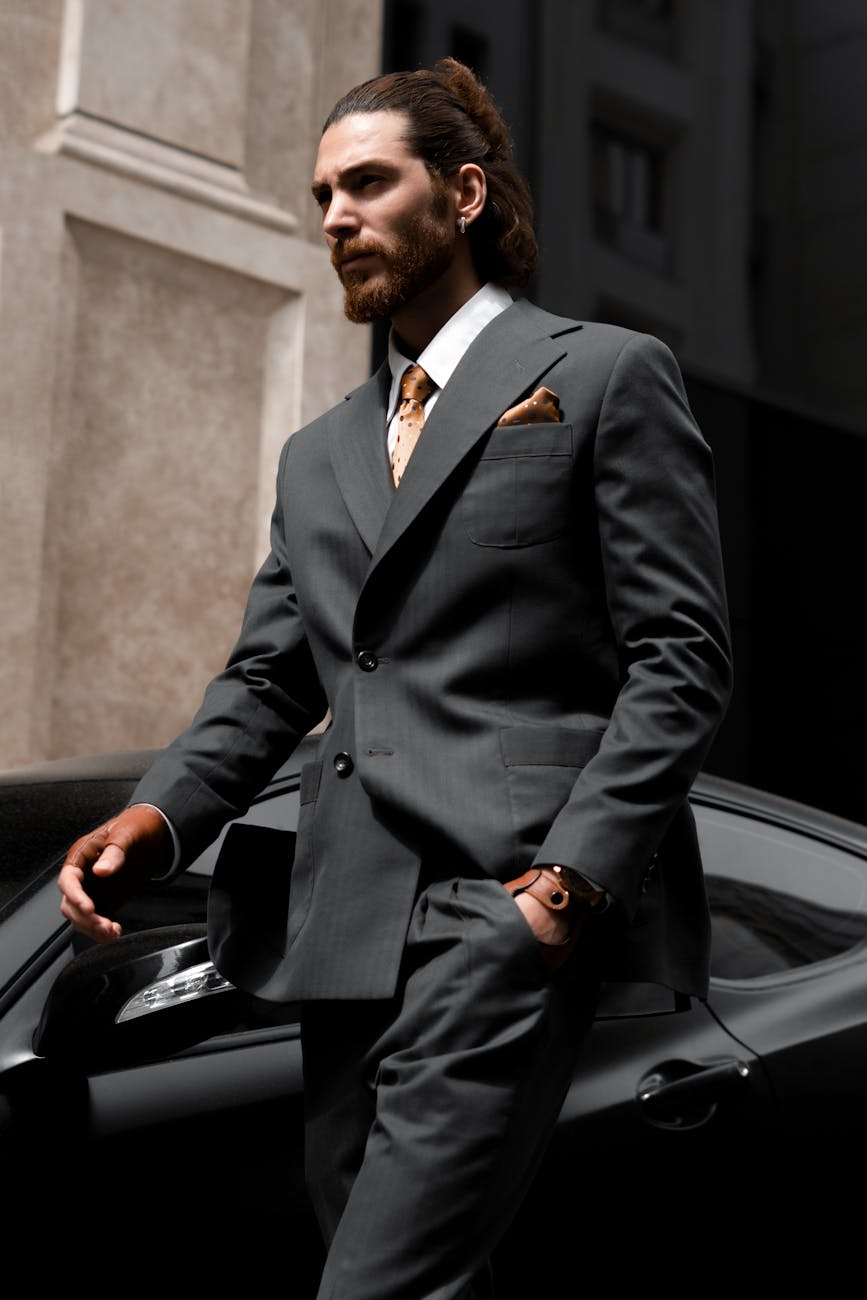
Dark colors (especially in Western cultures): authority, power
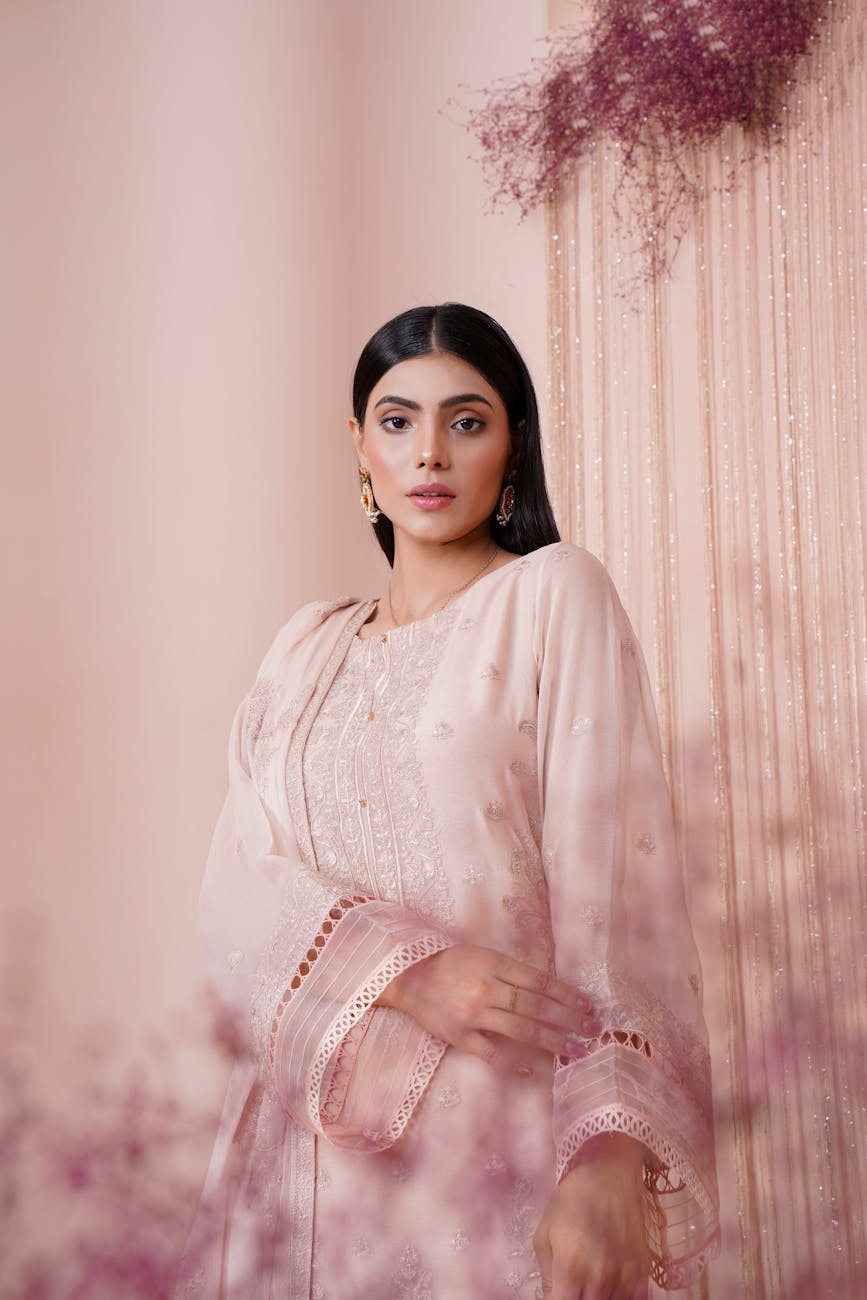
Light colors: softness, femininity
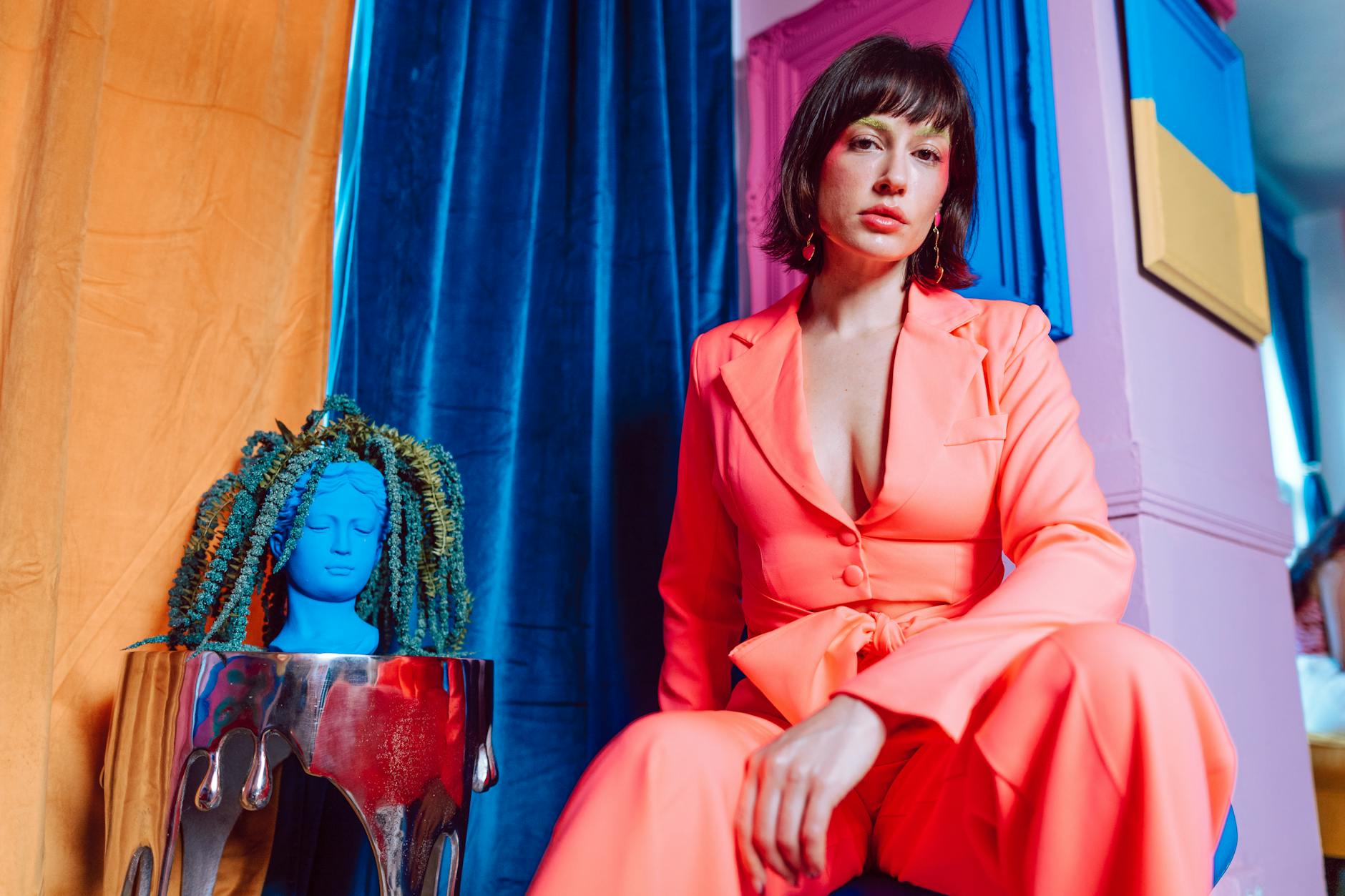
Bright colors: energy, playfulness, extroversion
Muted tones: conservative or chic depending on cut
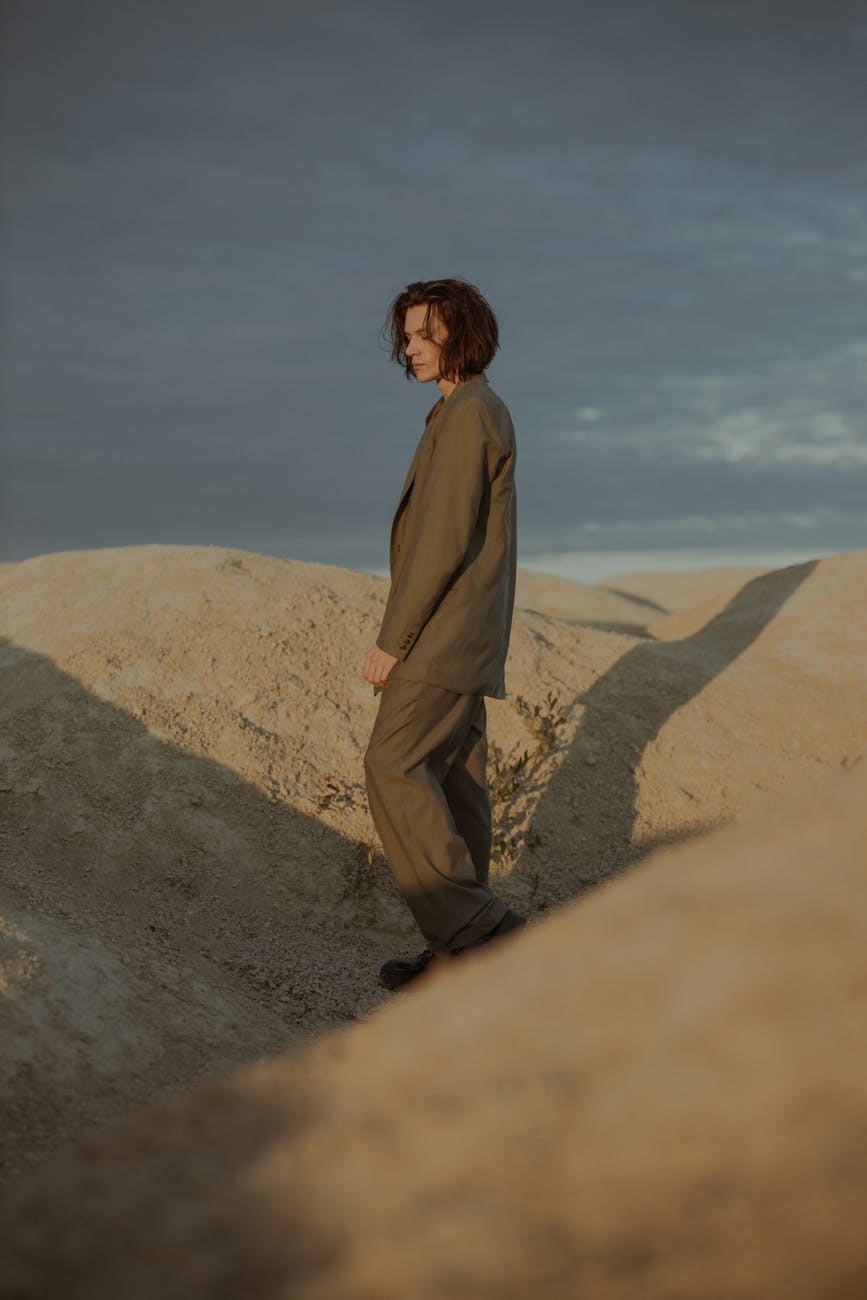
Earth tones (browns, olives, rusts): warmth and approachability
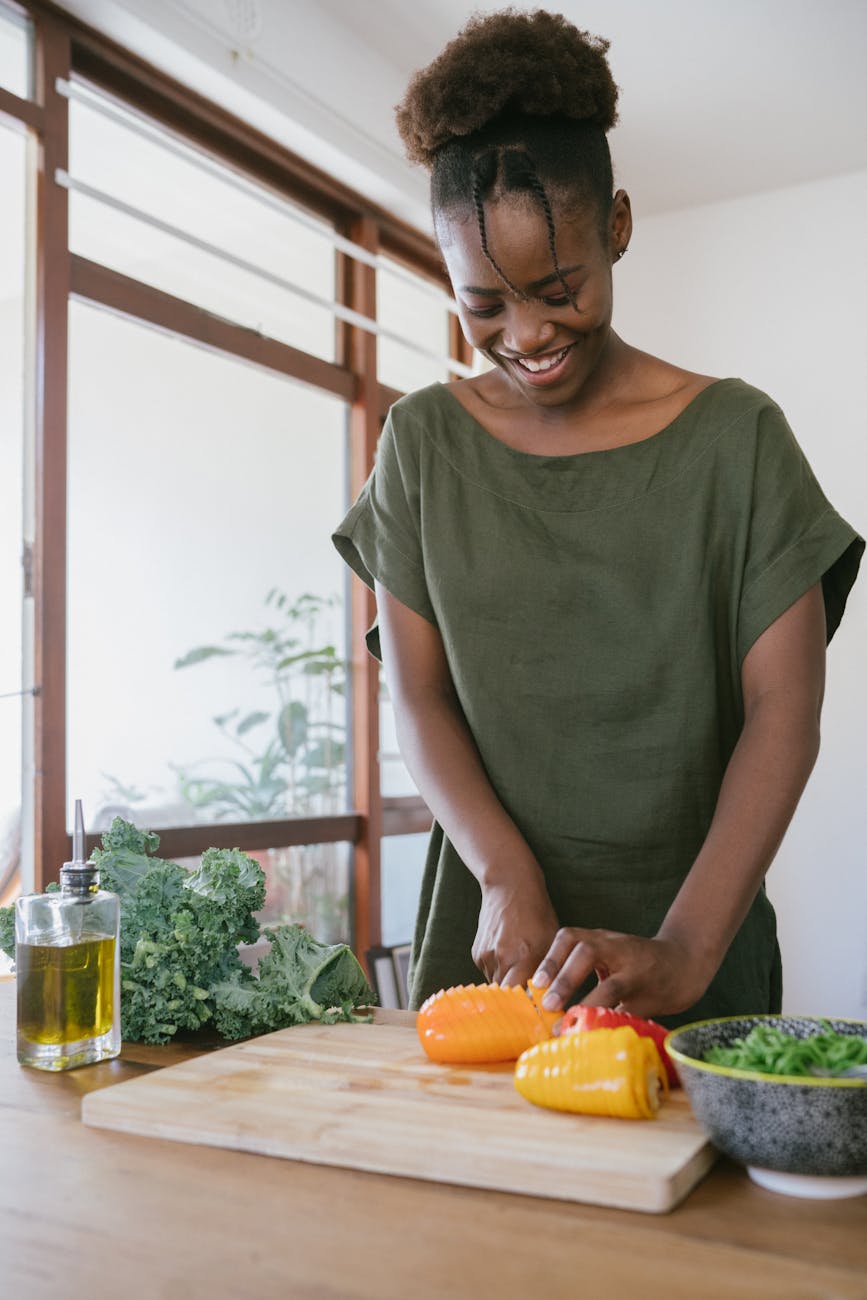
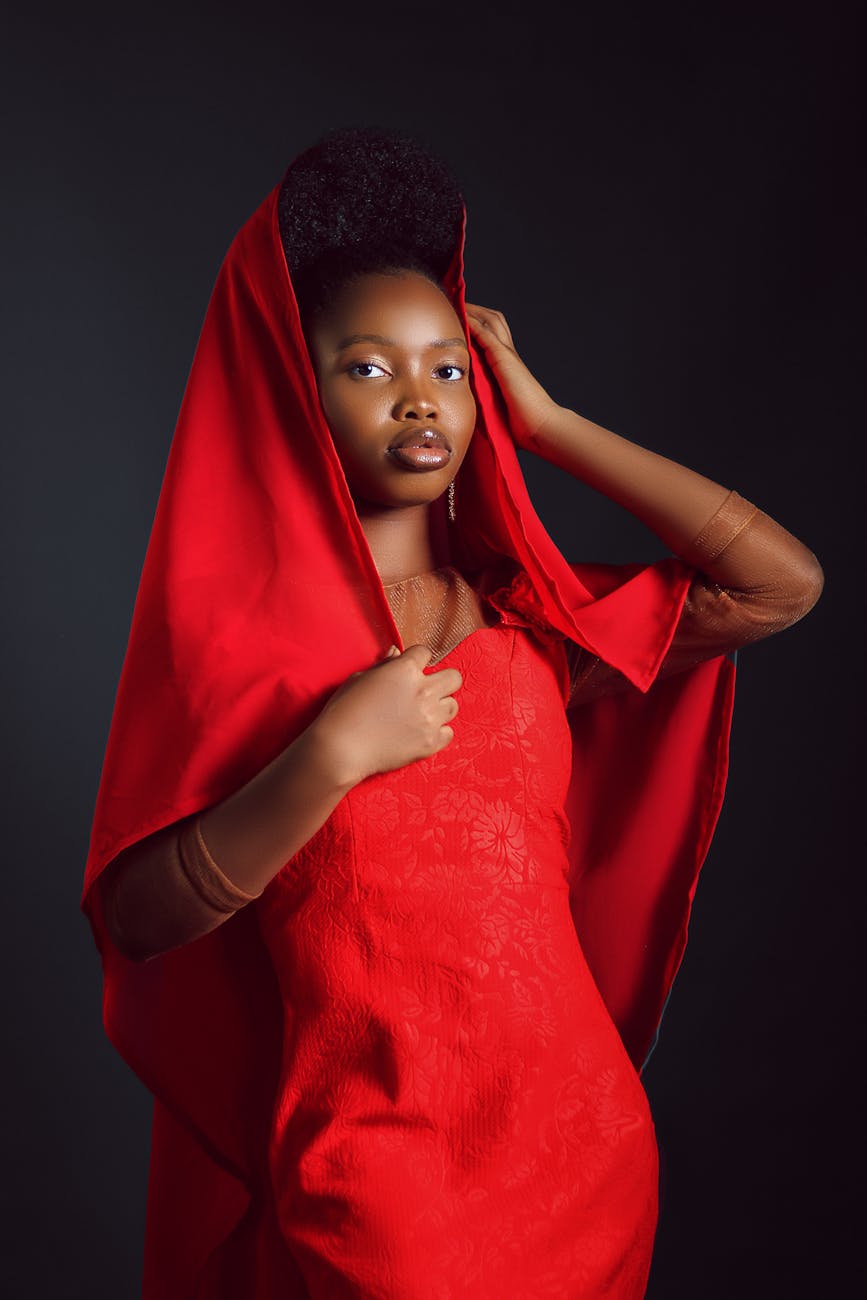
Red: sexual attraction and dominance—use it when you want to be seen
Choose colors that reinforce the energy or emotion you want to project.
The Bottom Line
Every style decision you make is an opportunity to align your inner and outer world.
Like it or not, your clothes shape how others see you—and influence perceptions of your intelligence, competence, status, and even mental and physical health.
But this isn’t about people-pleasing.
It’s about dressing with intention.
Choose pieces that reflect who you are—and how you want to be perceived.
If this resonated with you, I’d love for you to join me over on YouTube, where I post new style content every week.
Some weeks I’ll show you how I pack for a trip or style a capsule wardrobe. Other times, we’ll get into deeper topics—like fashion psychology and sustainability. You’ll also find upcycle projects, fashion show recaps, and the occasional pop culture breakdown. Some videos are thoughtful and deep… others are the style equivalent of carnival food: a little over-the-top, a lot of fun.
If you’re ready to align your wardrobe with your identity, fill out this form to request your free 30 minute consult.
Until next time—stay sustainable, intentional, and uniquely you!
 ERIN SIMMONS studio
Leave a comment