I spent spring break in Arizona visiting my mother and grandmother.
Although it was only mid-March, temperatures were already pushing extremes. One day it hit 110 degrees.
Packing for this trip required strategy.
Living in Austin for the past five years has given me a baseline for dressing in heat. But more than lived experience, I’ve spent years studying how fabrics and silhouettes behave in different climates.
When I think about dressing for heat, I picture my father. He lived in Arizona for nearly 40 years and had a very specific uniform: a wide-brim boonie hat and a long-sleeve technical shirt complete with vents and mesh.
It worked, but it wasn’t the direction I wanted to go.
And that’s the tension I’ve been trying to solve:
How do you stay cool in extreme heat without abandoning how you present yourself?
⸻
Start With Protection, Not Exposure
When it’s hot, the instinct is to wear less.
But in extreme sun, that instinct works against you.
Covering your skin is not optional. It’s protection.
A bad sunburn will ruin your day, your trip, and over time, your health.
The goal is not less clothing.
The goal is better clothing.
⸻
Hats Are Not Optional
If you are in intense sun, a hat is essential.
And not all hats perform equally.
I own several, including a tightly woven cotton bucket hat labeled UPF 50+. It likely offers strong sun protection, but it holds heat. I rarely reach for it.
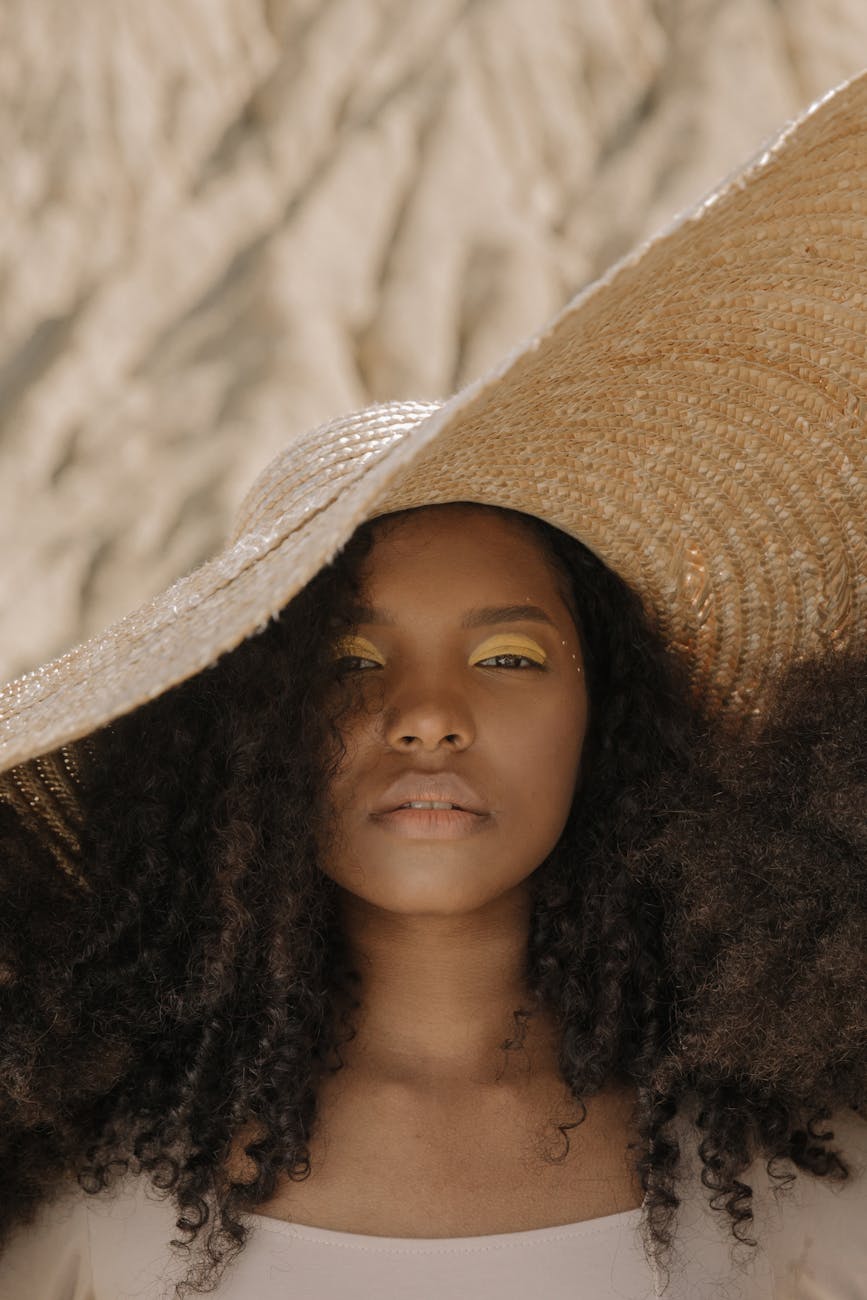
Instead, I consistently choose a wide-brim straw hat.
It allows airflow. It feels lighter. It keeps me cooler.
There are straw hats that also offer UPF protection, and those are ideal.
The only real drawback is packing.
My solution has been foldable, pleated hats. They compress easily, travel well, and still give you the coverage you need.
⸻
Airflow Is Everything
If there is one principle to understand, it’s this:
Cooling comes from airflow, not exposure.
Clothing that sits away from the body allows air to move across the skin, carrying heat and moisture with it.
This is why oversized silhouettes perform so well in heat.
Dresses are the most effective option.
There is a reason older generations wore house dresses in the summer. They sat away from the body, creating space between skin and fabric.
That space is what keeps you cool.
If dresses don’t appeal to you, the same principle applies:
• billowy pants
• oversized blouses
• anything that allows movement and separation from the skin
⸻
Fabric Matters More Than You Think
Not all natural fibers behave the same, but some consistently perform well in heat.
The most reliable options are:
• linen
• hemp
• ramie
• loosely woven cotton
Fabrics like gauze, seersucker, voile, and lawn, are particularly effective.
Seersucker, in particular, is engineered for heat. Its puckered weave creates small air pockets that increase airflow and prevent the fabric from sitting flat against the skin.
Silk can also work for hot climates, but it has limitations. It stains easily with sweat and often requires dry cleaning, which makes it less practical for repeated wear in hot conditions.
These differences matter.
⸻
What to Avoid
Fit and fiber both determine how hot you feel.
Avoid:
• close-fitting clothing of any kind
• tightly woven fabrics
• synthetic fibers
Polyester is the worst offender. It traps heat, holds odor, and blocks evaporation.
Nylon, acrylic, acetate, and polyamide behave similarly. They do not absorb moisture or allow it to evaporate effectively, which means heat builds against the body.
There are exceptions.
Nylon works for swimwear because it does not absorb water. But that same quality makes it uncomfortable for daily wear in heat.
⸻
The Real Goal
Dressing for extreme heat is not about sacrificing how you want to look.
It’s about understanding how clothing functions so you can make better decisions.
Once you understand:
• airflow
• fabric behavior
• sun protection
you can start building outfits that work with your environment instead of against it.
You don’t have to default to a technical uniform.
You can stay cool and still feel like yourself.
⸻
Closing Thought
Most people approach clothing visually.
But in extreme environments, clothing becomes physical.
You feel every decision you make.
When you understand how your clothes function, you don’t have to choose between comfort and expression. Instead they start to work together.
 ERIN SIMMONS studio
Leave a comment